

Solar battery storage is changing the way U.S. homeowners handle backup power, energy bills, and long-term resilience—but what you get depends on what you buy, how you install it, and realistic expectations that many competitors skip. With grid outages rising and solar-battery combos now mainstream, this guide breaks down what actually matters in 2024: costs, backup runtime, safety, warranties, and how to avoid the biggest regrets with home solar battery storage.
Key Takeaways
- Home solar battery installations in the U.S. grew more than 50% in 2024, driven by backup needs and pairing with rooftop solar.
- Most single-battery systems cover essential loads for 6–12 hours—whole home backup often needs larger, pricier solutions.
- Total costs (including soft costs and permitting) are high, and most problems arise from confused expectations or overlooked fine print.
- What Is Home Solar Battery Storage and Why It’s Exploding in 2024
- Is Solar Battery Storage Worth It? Key Reasons Homeowners Are Buying Now
- How Home Solar Battery Systems Actually Work (Without the Hype)
- Real‑World Backup Time: How Long Will a Home Solar Battery Last in an Outage?
- What Homeowners Complain About Most After Installing Solar Battery Storage
- The True Cost of Solar Battery Storage in 2024 (With and Without Solar)
- Comparing Types of Home Solar Batteries: Wall-Mounted vs Modular Systems
- Key Technical Specs That Actually Matter (And How to Read Them)
- Warranties, Throughput Limits, and Fine Print That Can Bite You
- Safety, Fire Risk, and New Rules for Home Solar Battery Systems
- Hidden Factors That Shape Your Project Timeline and ROI
- Environmental Impact, End-of-Life, and Recycling of Solar Batteries
- How to Choose the Right Solar Battery Storage System for Your Home
- The Future of Home Solar Battery Storage: What to Expect in the Next 5–10 Years
- FAQs on Solar Battery Storage
What Is Home Solar Battery Storage and Why It’s Exploding in 2024
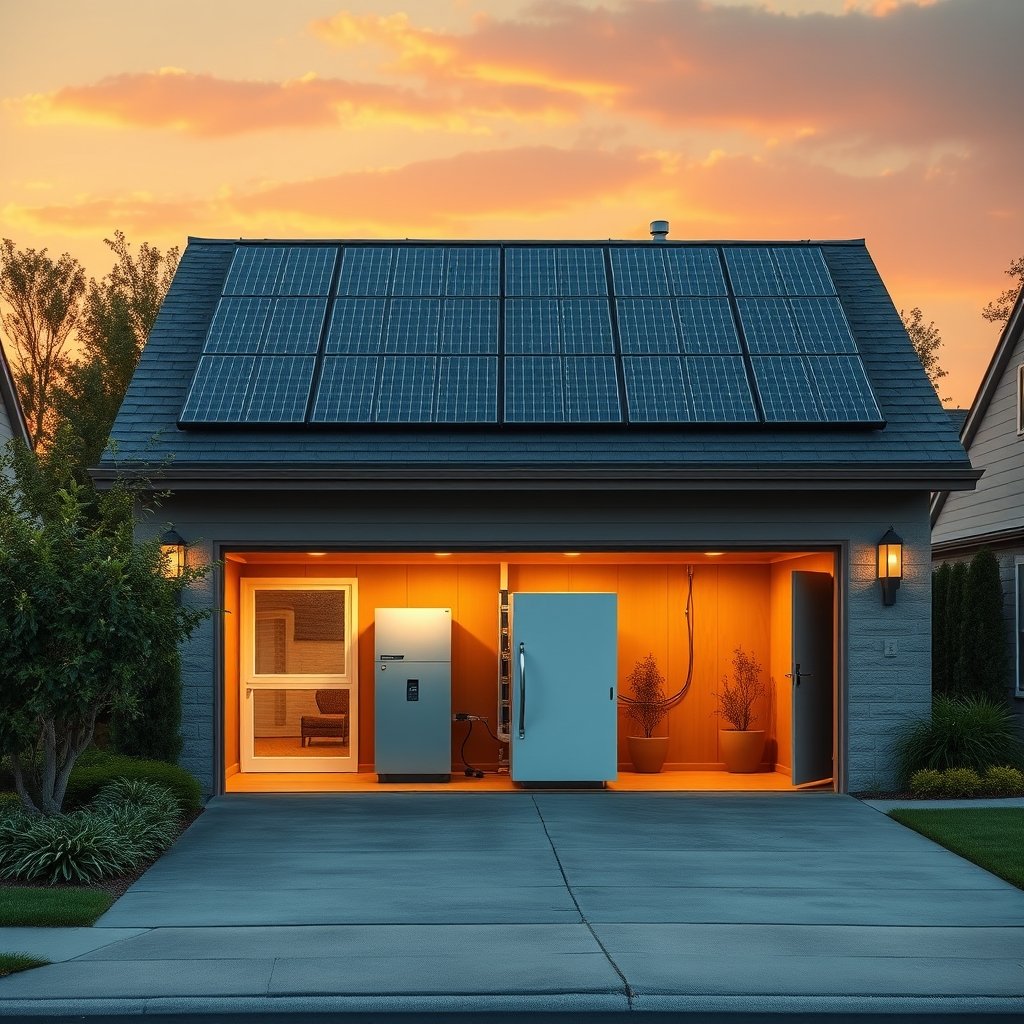
Home solar battery storage is a system—typically lithium-ion—that allows you to store excess energy from your solar panels (or sometimes the grid) for use when you need it most: during power outages or at night. A typical home solar battery setup includes the battery, inverter, switching gear, and a mobile app for monitoring. In 2024, this sector isn’t niche anymore: the U.S. installed roughly 1,250 MW of residential battery storage in 2024, a jump of over 50% from the year before. About 28% of new rooftop solar systems are now sold with batteries, up sharply from just 12% last year. Globally, the market is expected to balloon from $8 billion in 2024 to as high as $76 billion by 2033, as families demand more resilience and control over their energy.
Is Solar Battery Storage Worth It? Key Reasons Homeowners Are Buying Now
More Americans are buying home solar battery storage for three reasons: backup power, bills, and future-proofing. First, grid-instability and extreme weather mean outages are lengthening and multiplying. It’s no surprise that 78% of U.S. buyers cite backup reliability as their top motivation. Second, batteries can manage your bills if your utility offers time-of-use rates, though the savings alone rarely pay for the system outright in less than a decade. Third, incentive programs and new utility tariffs—plus uncertainty around future rates—make batteries an insurance policy for many. Adoption is growing fast: 68% of new residential battery installations are paired with solar panels, not sold alone. The global market’s projected growth (CAGR 13.9–28.3%) underscores a massive shift in how people expect to power and protect their homes. For in-depth tips on maximizing home resilience, also see our smart camera security guide for modern homes.
How Home Solar Battery Systems Actually Work (Without the Hype)
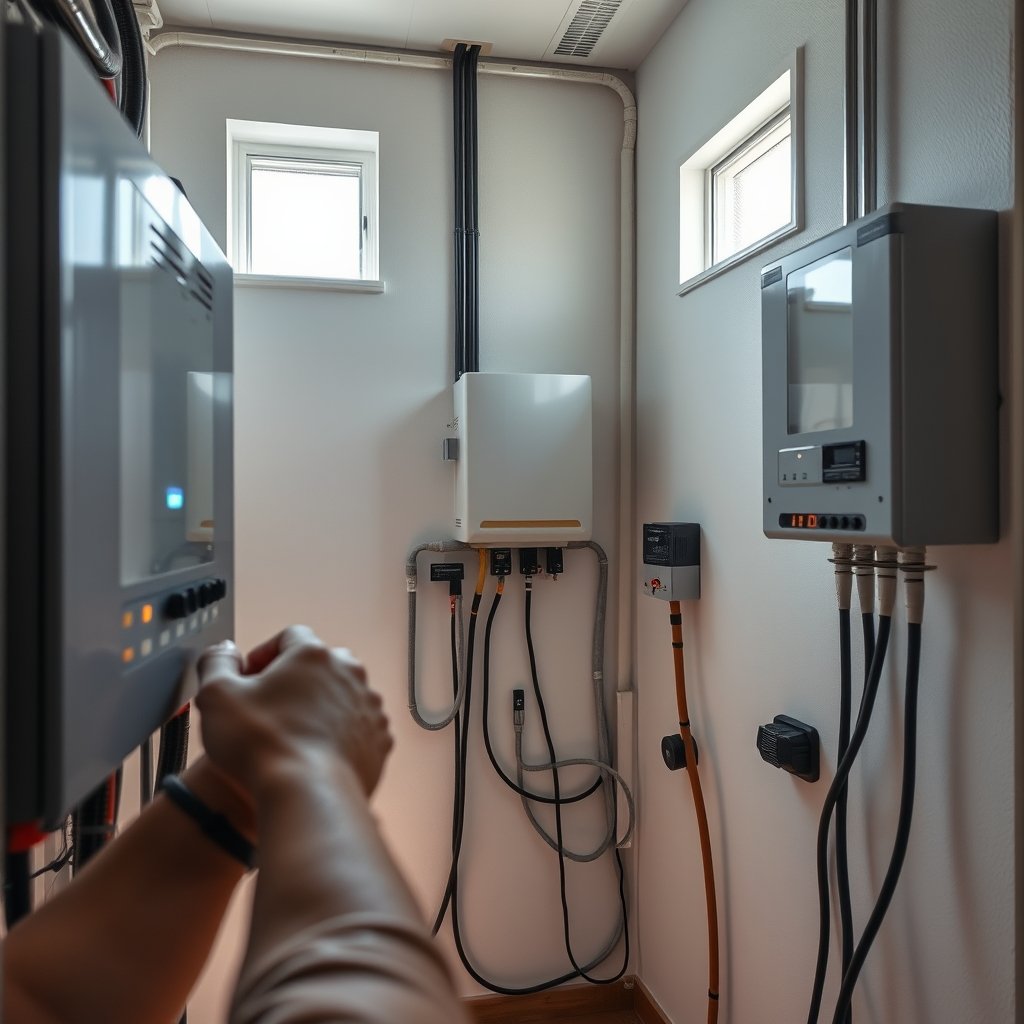
Every home solar battery setup has four primary components: the battery, inverter (to convert DC to usable AC), automatic transfer switch (or gateway), and usually a monitoring app. During sunny days, your solar panels first power your home directly. Excess solar charges the battery. Once the battery is full, surplus is (if allowed) exported to the grid. When the sun sets, or if there’s an outage, the battery discharges to run your essential circuits—sometimes your whole home, but that depends on sizing.
Most modern systems are lithium-ion, with LFP (lithium iron phosphate) making up a bigger share due to lower fire risk. In 2024, more than 72% of home solar storage systems use some form of lithium-ion. There are two primary connection types: AC-coupled (battery added to an existing solar system via its own inverter; flexible but slightly less efficient), and DC-coupled (new solar + battery share a hybrid inverter; more efficient, but requires deeper integration from the start). Know which one you’re upgrading to or buying. For more space-efficient energy setups, see our post on Closet Space Saver strategies, ideal for utility rooms where batteries are often placed.
Following the basics, let’s see how your choices play out over real-world backup time, costs, and technical details.
Real‑World Backup Time: How Long Will a Home Solar Battery Last in an Outage?
If you buy a typical 10–15 kWh home solar battery, how long does it actually cover you? With only essential circuits—think fridge, a handful of outlets, WiFi, and basic lights—you’re looking at about 6–12 hours of runtime. If you try to power the whole house, including HVAC or an EV charger, those same batteries may be depleted in just 2–4 hours, since most residential batteries are set up for short-term peak needs, not week-long blackouts.
What’s often missed: system inverters also limit how many watts you can pull at once and most batteries hold some charge in reserve to protect themselves (so not all kWh are usable for backup).
| System Size (kWh Usable) | Backup Scenario | Estimated Runtime (Typical Loads) |
|---|---|---|
| 5 kWh | Fridge + lights + WiFi | ~3–5 hours |
| 10 kWh | Essential loads only | 6–8 hours |
| 15 kWh | Essential loads only | 8–12 hours |
| 15 kWh | Whole home + AC | 2–3 hours |
| 30 kWh (multi-battery) | Whole home + some AC | 4–8 hours |
Usage varies wildly based on what you actually run. For true day-plus backup with central AC, you’ll need a much larger, costlier bank. This is why almost every major installer will size your battery system for essential loads only—unless you specify and budget for more.
What Homeowners Complain About Most After Installing Solar Battery Storage
Forewarned is forearmed. Here are the top issues reported by real buyers, from market research and user surveys:
- High up-front costs and slow payback: Systems range $10,000–$20,000 (10–15 kWh) with incentives, but bill savings alone often take 15–20 years to break even, especially for battery-only installs without solar integration.
- Limited real-world backup: One battery is rarely enough for whole-home outages—many are disappointed when they learn they can only back up a few circuits for less time than expected.
- Permitting and interconnection headaches: About 31% of project delays are due to permitting, with 23% of the budget chewed up by soft costs and fees, and 18% hit by utility approval delays.
- Monitoring app frustrations: Bugs, unreliable readings, or confusing settings plague owners trying to optimize for outages and savings.
- Warranty fine print surprises: Warranties restrict replacement under certain usage patterns (like charging from the grid or cycling heavily), and users sometimes find support is slow if the installer goes bust.
For wireless monitoring and smart home control that can ease some of this frustration, check out our home security automation guide.
The True Cost of Solar Battery Storage in 2024 (With and Without Solar)
Let’s get specific. Hardware pack costs on new lithium-ion batteries have fallen below $130/kWh, but once you add in labor, soft costs, and margins, actual installed pricing for most homes (10–15 kWh) sits between $10,000 and $20,000. Wall-mounted units (like most Tesla systems or their competitors) are cheaper and easier to tuck into garages or side yards, while larger modular systems (20–40+ kWh) for full-home backup reach $20,000–$40,000 or more.
Soft costs, including permitting, design, and overhead, chew up 20–30% of total project budgets. Permitting and fees alone can take more than 23%. If you buy a battery together with solar, some overheads slide—but not by much. Don’t be fooled by “battery pack” cost headlines—total installed and permitted cost is what truly matters.
Comparing Types of Home Solar Batteries: Wall-Mounted vs Modular Systems
Most U.S. homes opt for compact, wall-mounted solar battery units (10–15 kWh), like those offered by Tesla, Enphase, or LG. These suit essential backup and tight spaces. Larger homes, or those that need multi-day backup, often need modular/rackable systems: think stacks of batteries installed in a garage or mechanical room (20–40+ kWh). The difference isn’t just capacity: modular systems often require electrical upgrades, special permitting, and sometimes outdoor enclosures if local code demands. For houses where utility room space is at a premium, our closet organizer guide may help.
Wall-mounted setups offer aesthetics and space savings, while modular banks deliver more power and flexibility—at a much higher cost.
Key Technical Specs That Actually Matter (And How to Read Them)
Ignore the marketing claims and focus on these numbers:
- Usable capacity (kWh): What you can actually access during an outage. Watch out for misleading nameplate figures.
- Power rating (kW): Both continuous and peak/surge matter, especially if you want to run HVAC or a sump pump.
- Chemistry: Lithium-ion still dominates (>72%), with LFP (lithium iron phosphate) offering safer, longer-lived performance (up to 12,000+ cycles versus 6,000–10,000 cycles for NMC).
- Efficiency: Losses occur at every conversion. Higher round-trip efficiency (90%+) is better.
- Warranty: Most top brands offer 10-year warranties with stipulations: throughput limits, installation, and capacity guarantees (often 70–80% remaining after 10 years).
The details matter most if you care about either backup reliability or maximizing payback via bill savings. For smart control over multiple systems, see our review of smart blinds that can boost whole-home efficiency alongside battery storage.
Warranties, Throughput Limits, and Fine Print That Can Bite You
Solar battery warranties sound generous—typically 10 years, with promised capacity left at the end (usually 70–80%). But check for hidden gotchas:
- Energy throughput cap: Most warranties end sooner if you reach a total MWh cycled limit (think mileage, not years).
- Installation and internet connectivity: Must be installed by a certified pro; many require continuous online monitoring, meaning issues aren’t always spotted (or fixed) if you go offline.
- Multi-party support: Warranty claims may bounce between battery, inverter, and installer companies, complicating support if a business closes down.
Warranty complexity is a documented barrier to wider adoption. Read every term in the contract.
Safety, Fire Risk, and New Rules for Home Solar Battery Systems
Fire safety is top of mind for local officials, especially in wildfire-prone states. LFP batteries now claim the lion’s share of residential installs thanks to lower thermal runaway risk. Still, newer rules often restrict where you can install batteries (sometimes not inside garages or basements) and require special fire-rated enclosures or inspections. Permitting delays—much blamed on new code requirements—factor in to over 31% of overall battery project holdups. Some fire-sensitive regions are also piloting non-lithium chemistries (like zinc) for added peace of mind. If you’re interested in securing your home’s perimeter, see our detailed smart camera security post.
Hidden Factors That Shape Your Project Timeline and ROI
Certain overlooked obstacles can make or break your project and payback:
- Local fire and building codes: These may set strict placement or size rules and limit what you can install indoors.
- Utility export/charging rules: Some require permission or limit when you can charge from the grid versus solar, which can limit value.
- Net-metering changes: Shifting utility policies are undercutting export value in many states, making self-consumption (batteries) more valuable but also less predictable.
- Interconnection waitlists: In high-demand areas, delays can stretch for months. About 18% of all installs experience interconnection holdups.
Permitting and soft costs eat up as much as a quarter of your budget. These facts are why realistic timelines and ROI should always be part of the upfront discussion.
Environmental Impact, End-of-Life, and Recycling of Solar Batteries
Most residential solar battery storage systems use lithium-ion cells, with LFP now emerging for better safety and stability—plus, they are somewhat easier to manage at end-of-life than traditional NMC. Still, local lithium battery recycling options are patchy, and costs for responsible disposal can add up when your battery eventually degrades. Fire-prone areas are even looking to zinc-based batteries and second-life (previously used) batteries as alternatives, but the market for recycling and reusing home batteries is still in its early stages. Always ask your installer about end-of-life take-back or recycling programs.

How to Choose the Right Solar Battery Storage System for Your Home
Here’s a step-by-step way to minimize regret and maximize value:
- Assess your area’s grid outage risk and your family’s typical load profile.
- Decide if you want essential-circuit or whole-home backup; cost is much lower for the former.
- Size your battery capacity (kWh)—use real-world examples and don’t settle for advertised numbers alone.
- Get multiple quotes, demanding full breakdowns of soft costs and any recurring monitoring/cloud fees.
- Check installer quality and local support: Tesla and Sunrun have 50% of market share, but plenty of regional experts exist.
- Compare warranties, throughput limitations, and ask about end-of-life/recycling programs.
To see how smart home upgrades work alongside batteries, don’t miss our electric blinds buyer’s guide—they can help maximize comfort during grid emergencies.
The Future of Home Solar Battery Storage: What to Expect in the Next 5–10 Years
The solar battery storage market is set for huge growth: global estimates suggest $32–77 billion in value by the early 2030s, with North America clocking the fastest growth. Expect lower costs per kWh, more homes pairing solar with new batteries out of the gate, longer-duration chemistries, and smarter virtual power plant programs that pay you for sharing stored power with the grid. Battery tech and safety standards will keep evolving, but so will utility and permitting rules. That means smart buyers will lock in value by focusing on proven brands, clear warranties, actual backup runtimes, and reputable, locally rooted installers. For the latest market data, see this market research review and worldwide forecast. For stats on adoption, visit emergencyenergy.co.
FAQs on Solar Battery Storage
How much of my home can a single battery really back up?
Most standard residential batteries (10–15 kWh usable) are sized to run only essential loads—things like your fridge, lights, WiFi, and a few outlets. Running your whole house, especially with large appliances or AC, can drain that battery in just a few hours. Consider multiple batteries or a larger modular setup if you want true whole-home backup.
Do all utilities allow you to use solar battery storage for bill savings?
No. Some utilities restrict when you can charge from the grid or export stored power, which affects how much you can save. Always check local rules and ensure your installer describes tariff impacts clearly.
What’s the difference between AC-coupled and DC-coupled solar battery systems?
AC-coupled batteries are added to existing solar systems with their own inverter and work well for retrofits. DC-coupled batteries share a hybrid inverter with new solar installs—they’re more efficient but usually require everything to be installed at once.
How long do home solar batteries last?
Top lithium-ion home solar batteries last 10–15 years or 6,000–12,000 cycles, depending on usage and chemistry (with LFP generally outlasting NMC and running cooler/safer).
Is solar battery storage safe in fire-prone regions?
Newer LFP batteries are much safer than older chemistries but always follow local building codes. Some fire-prone areas require special placement or are piloting alternative chemistries like zinc for added safety.